


A North Yorkshire celebrant who has dedicated more than three decades to creating meaningful ceremonies for couples and families has been involved in one of the most significant moments in modern wedding law. Stuart Morris joined Deputy Prime Minister David Lammy in London as the government unveiled its long-awaited consultation on updating marriage laws across England and Wales.
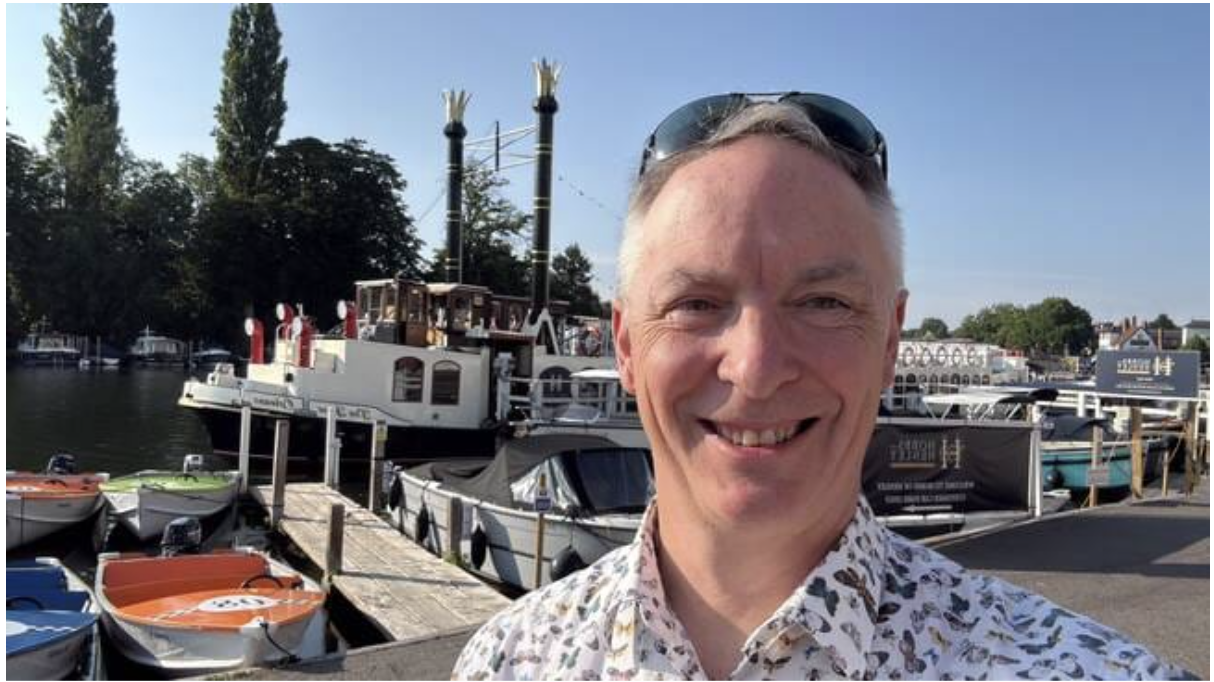
STUART MORRIS, 58, from Malham, North Yorkshire, is the founder of The International College of Professional Celebrants (ICPC), the world’s largest provider of celebrant training. On 16 July, he travelled aboard a boat on the River Thames with David Lammy, leading a public discussion as ministers introduced proposals for the most extensive reform of marriage legislation in almost 200 years.
“The legal framework for marriage has been built up over centuries and no longer reflects how people want to marry today,” said Stuart.
His involvement follows years of working with the Ministry of Justice through the Wedding Celebrancy Commission, which he co-founded and where he serves as an executive board member. As part of that work, he has contributed to discussions with Baroness Levitt and other policymakers exploring changes to the law.
The Commission also commissioned research from the Open University into the expectations of modern couples and examined international examples such as Australia, where independent celebrants have been authorised to conduct legal weddings since the 1970s. The findings helped inform the Law Commission’s 2022 report, which forms the basis of the government’s consultation.
Stuart explained: “A couple can travel to Las Vegas, marry there and have that marriage recognised when they return to Britain. Yet if they want an independent celebrant to marry them in their own garden or a converted barn in Yorkshire, the law says no. The current system limits legal weddings to registrars and authorised religious ministers, leaving couples with fewer personal choices.”
He added: “Many same-sex couples, mixed-faith families and people with no religious affiliation struggle to find ceremonies that truly reflect who they are. Instead, they are often left with a simple legal appointment that offers little flexibility. Marriage should be about the people making the commitment, not outdated administrative rules.”
“My career has always been about treating life’s important moments with dignity. Whether conducting a funeral or leading a wedding, every family deserves to feel seen and valued. I believe marriage law should finally recognise that.”
The government’s proposals are intended to increase choice, lower costs and support the wedding, tourism and hospitality industries while maintaining the legal importance of marriage. Around 470,000 marriages take place each year in England and Wales under legislation that many consider outdated.
If the proposals become law, couples could legally marry in a much wider range of locations, including beaches, woodlands, castles, canal boats and ships. The reforms are also expected to improve affordability, with average wedding costs now exceeding £20,000 and venue hire alone averaging around £6,000.
Deputy Prime Minister and Justice Secretary David Lammy said:
“They say you can’t put a price on love, but too often the cost of weddings puts this commitment out of reach. That’s why I’m reforming archaic rules so couples have more freedom to say ‘I do’ on their own terms while strengthening safeguards to protect the meaning and permanence of marriage.”
The consultation also proposes a more consistent legal approach for faith and belief ceremonies, making it easier for couples, including those from different religious backgrounds, to celebrate both traditions within one legally recognised wedding.
Stuart’s graduates now conduct ceremonies for more than one million people every year across the UK, while ICPC remains the country’s largest celebrant training organisation.
His forthcoming book, Hello, I Love You, Goodbye, explores the importance of ceremonies throughout life. The opening chapters are available now at hilyg.uk.
The public consultation is now open at https://www.gov.uk/government/consultations/tying-the-knot-reforming-weddings-law-in-england-and-wales. The consultation will run from July 16 to September 24, lasting 10 weeks.